
TO CONTINUE, CONFIRM THAT YOU ARE 18+ YEARS OLD
Disclaimer: please note that the offered products are legal in our country.
For centuries, cultures around the world have turned to plants and fungi for healing. From the ancient Ayurvedic texts of India to traditional Chinese medicine...
For centuries, cultures around the world have turned to plants and fungi for healing. From the ancient Ayurvedic texts of India to traditional Chinese medicine and Russian folk remedies, natural ingredients like Ashwagandha, Wormwood, Lion’s Mane, Chaga, and Reishi have long histories of use. Today, these five remedies are gaining popularity among health-conscious individuals. In this article, we explore each ingredient’s origins, traditional uses, and what modern science has discovered about their potential benefits.
Ashwagandha (Withania somnifera), also known as “Indian ginseng” or “winter cherry,” is a small shrub native to India and parts of Africa. It has been used for centuries in Ayurveda (traditional Indian medicine) as a rejuvenating tonic believed to enhance vitality, reduce stress, and support longevity.
Traditionally, the root was used to balance energy, reduce anxiety, improve sleep, and support cognitive function. Modern research shows promising signs that Ashwagandha may act as an adaptogen – helping the body resist the effects of stress. Some clinical studies suggest it can improve sleep quality, reduce cortisol levels, and support mental well-being. While scientific evidence is still emerging, Ashwagandha is widely used today as a natural supplement to promote calm and resilience.
Wormwood (Artemisia absinthium) is a bitter herb native to Europe, Asia, and North Africa. Historically, it was used in herbal medicine to support digestion, stimulate appetite, and help cleanse the digestive tract.
In Europe, it was a popular remedy for stomach issues and intestinal parasites. It’s also a key ingredient in the traditional liqueur absinthe, known for its distinct flavor and historic mystique. Modern studies have found wormwood to contain compounds like thujone and absinthin, which show antimicrobial and anti-inflammatory properties in laboratory research.
Though traditionally consumed as teas or tinctures, today it’s commonly used in capsule form. Wormwood remains popular among those looking for digestive support and a natural way to stimulate gut function.
Lion’s Mane (Hericium erinaceus) is a unique-looking mushroom with white, shaggy spines that resemble a lion’s mane. It has been used in traditional Chinese medicine and East Asian cuisine for centuries to support the digestive system and general vitality.
In modern wellness circles, it has gained popularity for its potential effects on cognitive health. Compounds found in Lion’s Mane, such as hericenones and erinacines, are thought to stimulate nerve growth factor (NGF), which plays a role in brain and nerve regeneration. Early clinical studies have shown potential benefits in memory, focus, and even mood support, but more research is needed.
Lion’s Mane is now widely used as a nootropic supplement and is especially popular among those looking to support mental clarity and neurological function naturally.
Chaga (Inonotus obliquus) is a fungus that grows on birch trees in cold climates like Siberia, Northern Europe, and North America. With its hard, black exterior and dense interior, Chaga was traditionally brewed as a tea to support immunity, endurance, and general wellness.
This mushroom is rich in antioxidants, including betulinic acid, melanin, and polyphenols, which contribute to its anti-inflammatory potential. While research is still early, studies have shown that Chaga may support immune response and help the body combat oxidative stress.
Thanks to its history in folk medicine and promising antioxidant profile, Chaga is now recognized as a functional mushroom and is commonly available in capsules or as a drinkable powder.
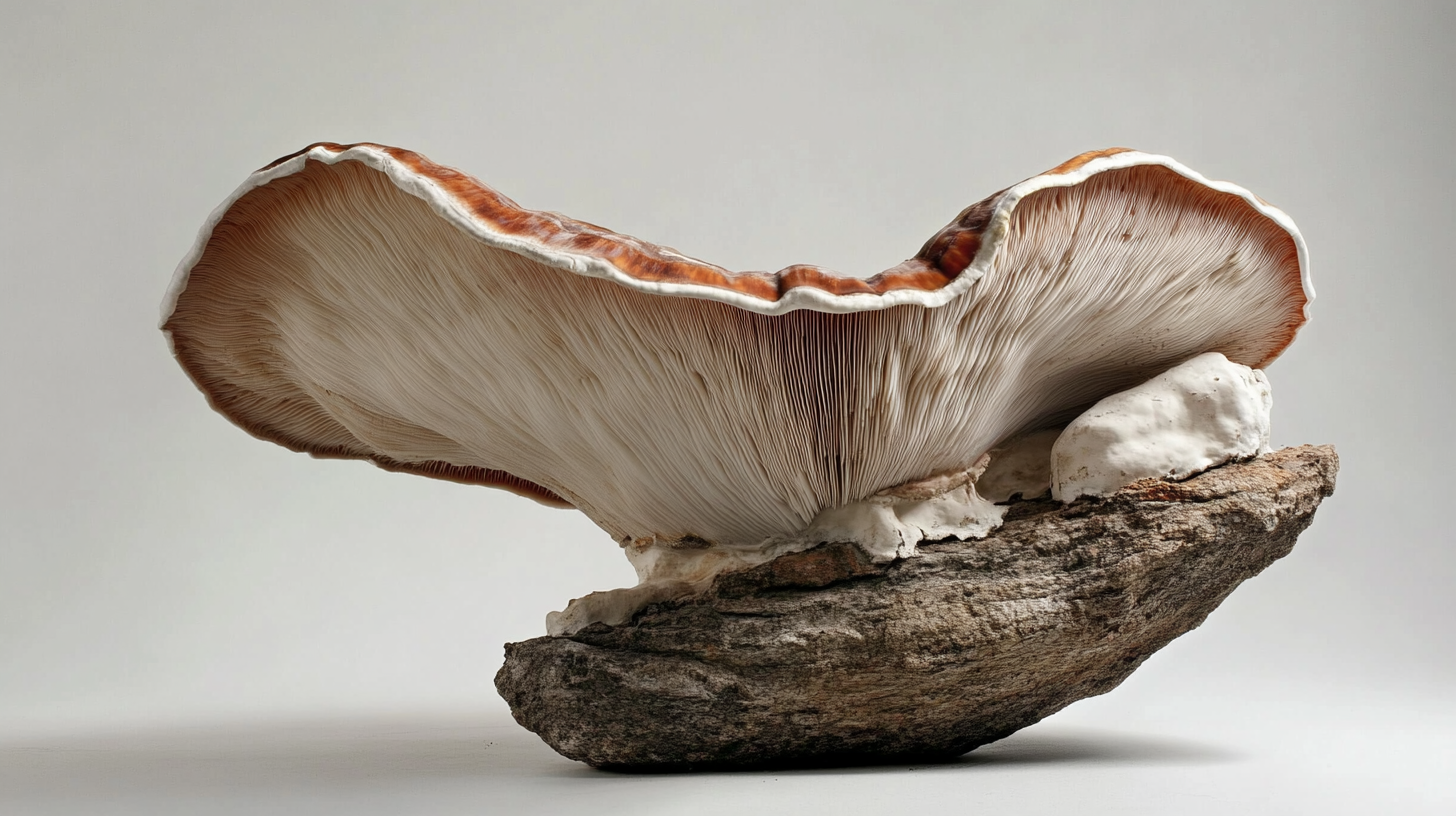
Reishi (Ganoderma lucidum), also known as Lingzhi in China and Mannentake in Japan, is one of the most revered mushrooms in traditional Asian medicine. With over 2,000 years of documented use, Reishi has long been associated with longevity, vitality, and immune balance.
It contains compounds like beta-glucans and ganoderic acids, which are believed to help modulate immune response and reduce inflammation. Some modern studies suggest that Reishi may help improve sleep, support the immune system, and contribute to overall well-being. However, scientific consensus is still forming, and many of its effects require more robust research.
Today, Reishi is commonly used as a supplement for those seeking natural ways to reduce stress and support long-term health.
From the calming Ashwagandha root to the stimulating bitterness of Wormwood, the mind-nourishing Lion’s Mane, the antioxidant-rich Chaga, and the balancing power of Reishi, these five natural ingredients offer a unique bridge between tradition and modern wellness.
While scientific research continues to explore their full potential, these botanicals and fungi remain popular choices for people seeking natural ways to support their body and mind. Whether you're drawn by their history or their promise, these supplements represent a return to the essentials – using nature as a partner in health and balance.


