
TO CONTINUE, CONFIRM THAT YOU ARE 18+ YEARS OLD
Disclaimer: please note that the offered products are legal in our country.
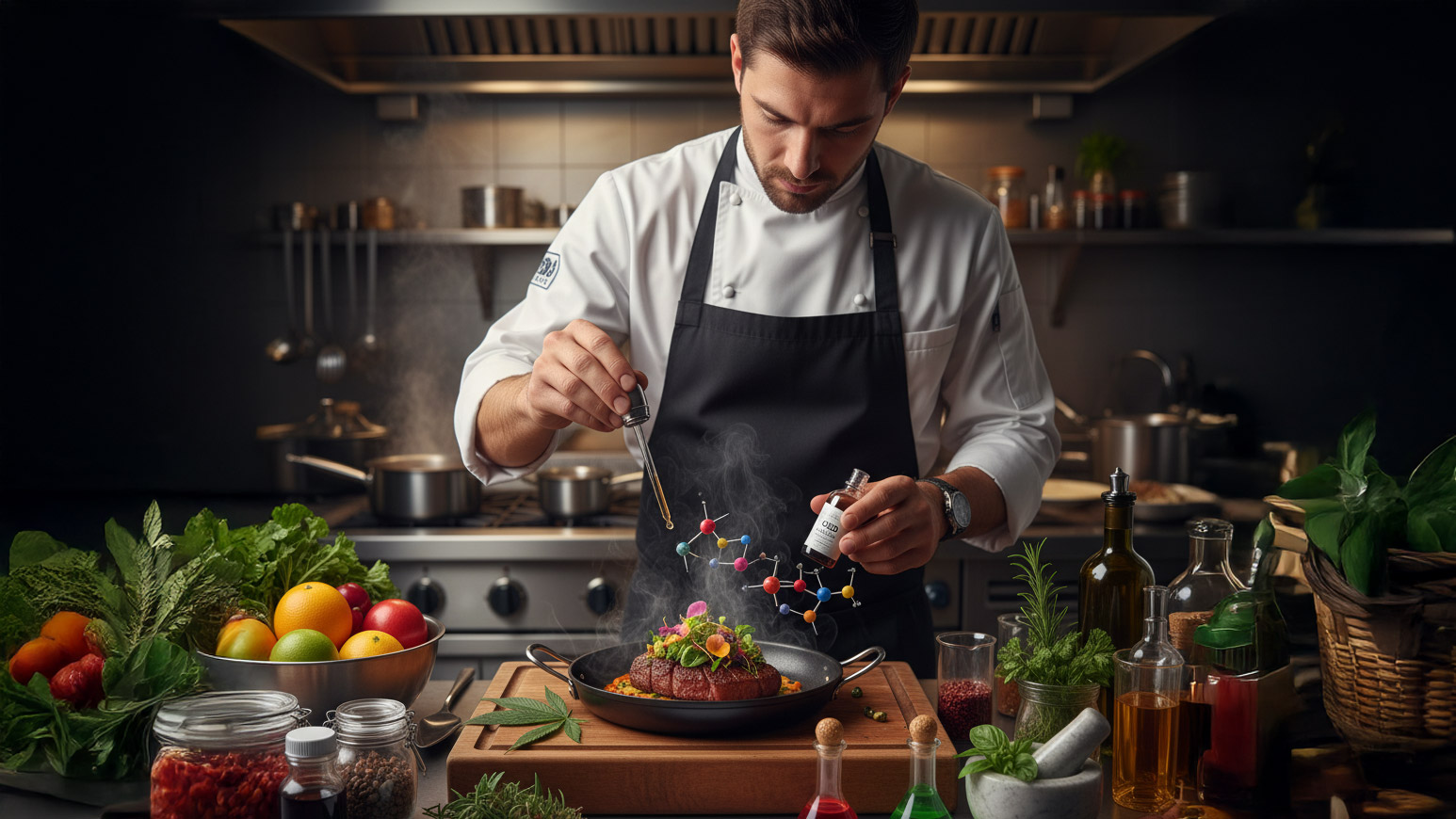
More and more chefs around the world are discovering its flavor and aromatic potential. CBD, hemp oil, and especially terpenes – the aromatic compounds found in the plant – are now becoming fully-fledged ingredients in modern cuisine.
Cannabis is no longer limited to laboratories or wellness studios.
More and more chefs around the world are discovering its flavor and aromatic potential. CBD, hemp oil, and especially terpenes – the aromatic compounds found in the plant – are now becoming fully-fledged ingredients in modern cuisine.
What Are Terpenes, Really?
Terpenes are natural aromatic compounds that give plants their characteristic scent – and cannabis contains hundreds of them.
For example:
Myrcene – adds an earthy, herbal aroma with a hint of mango.
Limonene – a fresh citrus tone that uplifts the mood.
Pinene – reminiscent of pine needles, great in sauces and marinades.
Linalool – floral lavender scent, ideal for desserts and cocktails.
In gastronomy, terpenes are used much like herbs or essential oils – to enhance the flavor profile and create a full aromatic experience.
CBD in the Kitchen – The Calming Ingredient
CBD (cannabidiol) is a non-psychoactive compound from cannabis that doesn’t cause a “high,” but provides a gentle sense of relaxation.
Chefs often use it in the form of CBD oil, butter, or emulsions, which can be added to:
salad dressings
dessert creams
smoothies and fresh juices
chocolates and pralines
CBD has a neutral taste, making it suitable for almost anything – but it works best in combination with fats, which help with its absorption.
An Aromatic Revolution in Drinks
The biggest boom is happening in cannabis cocktails and non-alcoholic CBD-infused beverages.
Modern mixologists are experimenting with adding terpene extracts to gins, tonics, and citrus sours.
The result? Drinks with depth, aroma, and a calming effect.
“A CBD cocktail isn’t about getting drunk – it’s about harmony of flavor and relaxation,”
says the head bartender at London’s Lyaness bar, who has been experimenting with CBD since 2022.
When Cannabis Meets Haute Cuisine
Restaurants in the US, Canada, and across Europe are creating tasting menus with a cannabis twist.
For example:
Hemp risotto with limonene and truffles
Salmon with pinene glaze and CBD oil
Chocolate mousse with linalool and hemp dust
These dishes aren't meant to shock – but to stimulate all the senses and offer a new way to experience food.
How to Start Using Cannabis in Your Home Kitchen
Start small. Add CBD oil drop by drop to preserve the natural taste of the food.
Pair with fats. Oils, butter, or coconut fat help the active compounds absorb.
Try cold dishes. Terpenes are volatile and can evaporate at high temperatures – ideal are salads, smoothies, or desserts.
Embrace the aroma. Pair citrusy terpenes with fish, earthy notes with meat, and floral tones with chocolate.
Cannabis as a New Culinary Culture
Cannabis in gastronomy isn’t a passing trend – it’s a new direction in culinary thinking.
Just as wine has its terroir, cannabis offers a rich spectrum of flavors and aromas that can affect the mood and atmosphere of a meal.
Whether it’s an experimental dinner or a homemade dessert, cannabis brings a new balance to the kitchen – between flavor, aroma, and calm.


